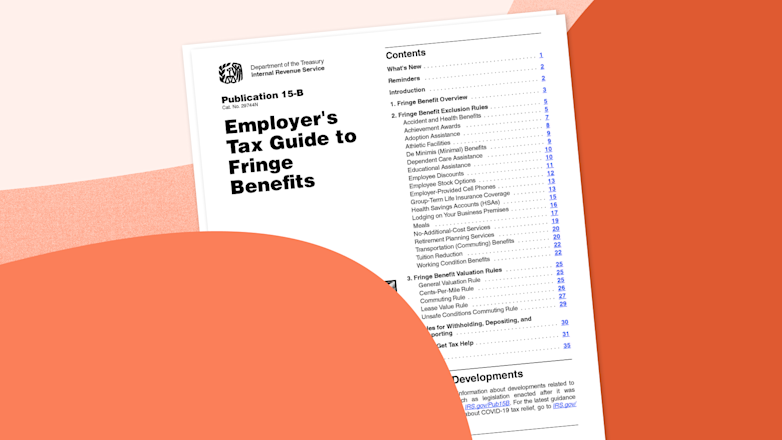
Pre Tax Deductions
Pre-tax deductions refer to amounts taken from an employee’s paycheck before taxes, reducing taxable income and increasing net pay compared to post-tax deductions.
What types of benefits are funded through pre-tax deductions?
Standard pre-tax deductions include health insurance premiums, health savings account (HSA) contributions, flexible spending account (FSA) contributions, dental and vision coverage, and retirement plan contributions like 401(k) deferrals. Some employers also offer commuter benefits, group life insurance premiums, and dependent care assistance programs as pre-tax options.
Can employees opt out of pre-tax deductions?
Employees have the choice to opt out of voluntary pre-tax deductions during an open enrollment period or a qualifying life event. However, some deductions, such as Social Security and Medicare, may be mandatory based on legal requirements.
How are pre-tax deductions reported on employee tax forms?
Pre-tax deductions appear on an employee’s W-2 Form in specific boxes with codes that reflect the type of deduction. For instance, health insurance premiums and retirement contributions are usually listed in Box 12 with specific codes. They're not included in Box 1 (federal taxable wages), which shows the reduced taxable income.
Dive Deeper with Justworks’ Resources
Get a closer read on relevant topics related to benefits, payroll, HR, compliance, and more.