Travel Reimbursement
Travel reimbursement refers to a company policy that covers the costs of business-related travel expenses incurred by employees.
What expenses are typically covered by travel reimbursement?
Companies can establish clear guidelines for what qualifies as a reimbursable expense, how to document it, and how much will be covered. Travel-related costs like transportation, lodging, and meals are typically included, along with fees for conferences or parking. Some employers use federal per diem rates to determine allowances for meals and lodging, which can vary by location. Reimbursement may also cover items such as internet access or work-related supplies needed during travel.
How do employees submit a travel reimbursement request?
Employees can submit requests through the expense management software or on paper forms within a specified timeframe after returning to the office. Requests generally include original receipts, travel itineraries, and business justification for each expense.
Is travel reimbursement taxable?
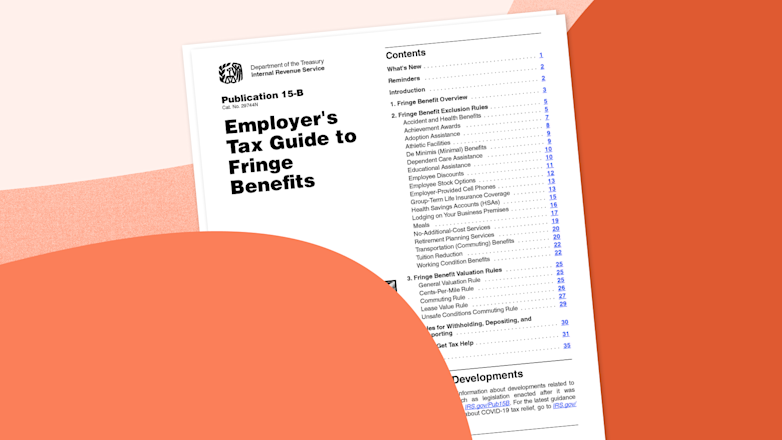
Travel reimbursements are not taxable when they comply with the IRS guidelines for business expenses. The regulations state that expense reimbursements must be for legitimate business purposes and adequately documented. If employees request reimbursements exceeding actual costs or payments for personal activities, the amounts become taxable income. Per diem payments exceeding federal rates may also generate tax obligations.
Dive Deeper with Justworks’ Resources
Get a closer read on relevant topics related to benefits, payroll, HR, compliance, and more.