
Making Science a Public Good, One Experiment at a Time
The Beginnings of The First Community Lab
In 2009, a group of hobbyists, entrepreneurs, artists and scientists met in a living room to explore their interest in biotechnology. Within a year, co-founders Nurit Bar-Shai, Ellen Jorgensen, Daniel Grushkin, Russell Durrett, and Oliver Medvedik opened Genspace(opens in a new tab), the first-ever community biotechnology laboratory.
By 2012, the group had a physical space in Brooklyn and had officially incorporated. Genspace, the world's first community biology lab, has spent the years since proving that research that can impact communities at large doesn't have to sit behind the doors of a university lab.
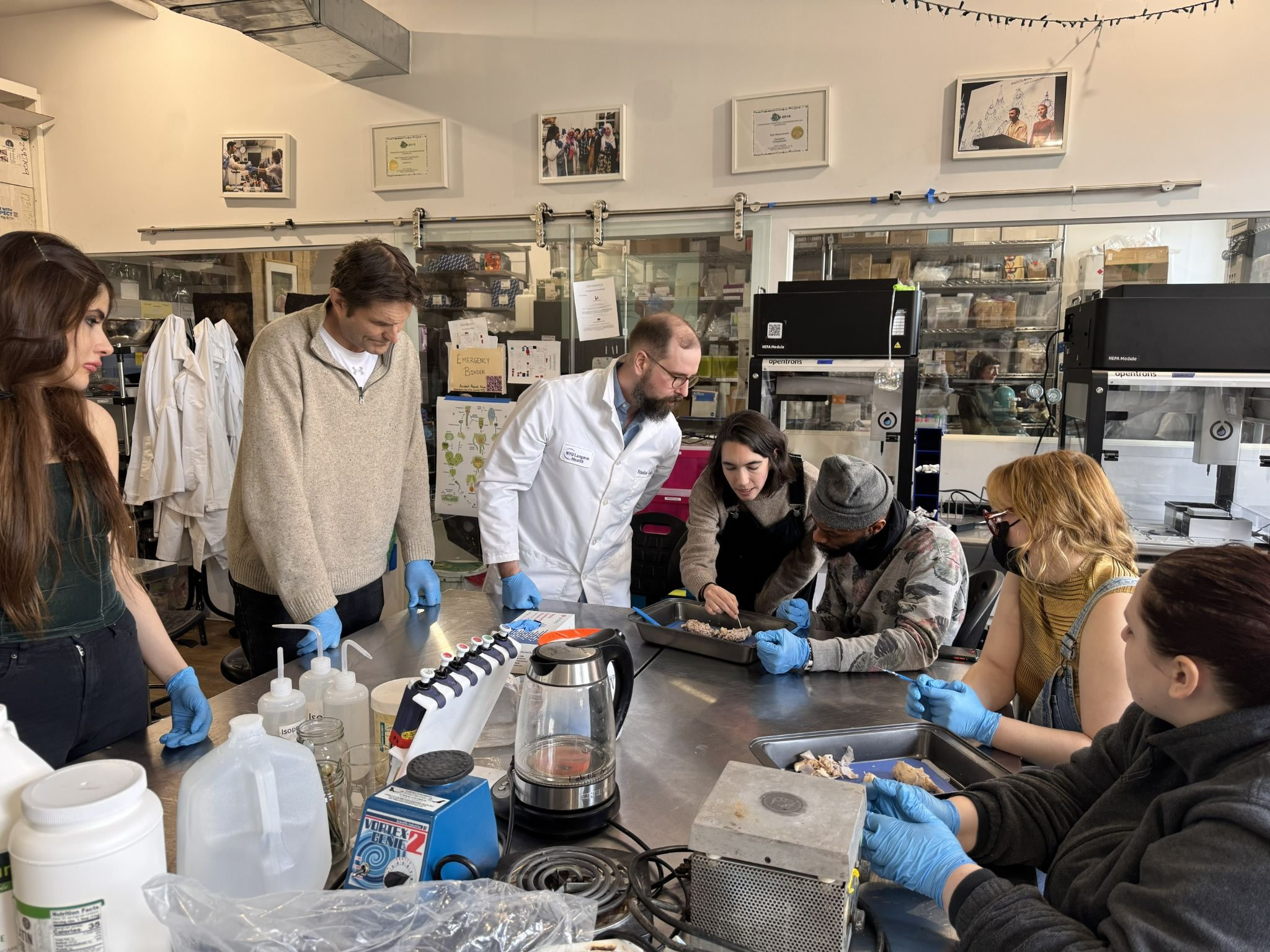
Science as Civic Infrastructure
When Casey Lardner defended her PhD over Zoom in 2020, she was searching for a different kind of science work, something with more of a direct impact on her community. She discovered Genspace through a listserv and took an online class, and found that community where she belonged. Years later, when a staff position opened, she came back not as a student but as a leader. Today, as Executive Director, she brings that same belief to everything Genspace does: that science and community are inseparable.
Lardner, a neuroscientist who has led the organization since 2024, describes all of it as civic infrastructure. Genspace is to science what a park or a library is to a neighborhood: the kind of place where science is for everyone with an interest.
"There's not another location like this, if you're not a scientist, where you can engage with the physicality of science."
Because its programs reach in so many directions at once, Genspace ends up connecting people who may otherwise never share a room. The lab draws teenagers and retirees, artists, working academics, and more. It’s deliberately not a traditional research organization, but rather a space where curiosity is welcomed.
Building Community, Not Just Curricula
The core design choice at Genspace is that participants bring their own curiosity. Instead of choosing the direction of the research, the staff acts as support, enforces safety protocols, and is there to guide. Recently, one group of students used a sequencing protocol on soil from Green-Wood Cemetery to investigate a plant pathogen killing Brooklyn's oldest old oak trees. Another group used that same protocol to map soil microbes in New York City tree pits against historical redlining maps. These projects were totally self-directed, self-started projects that are as much about the research process as the results.
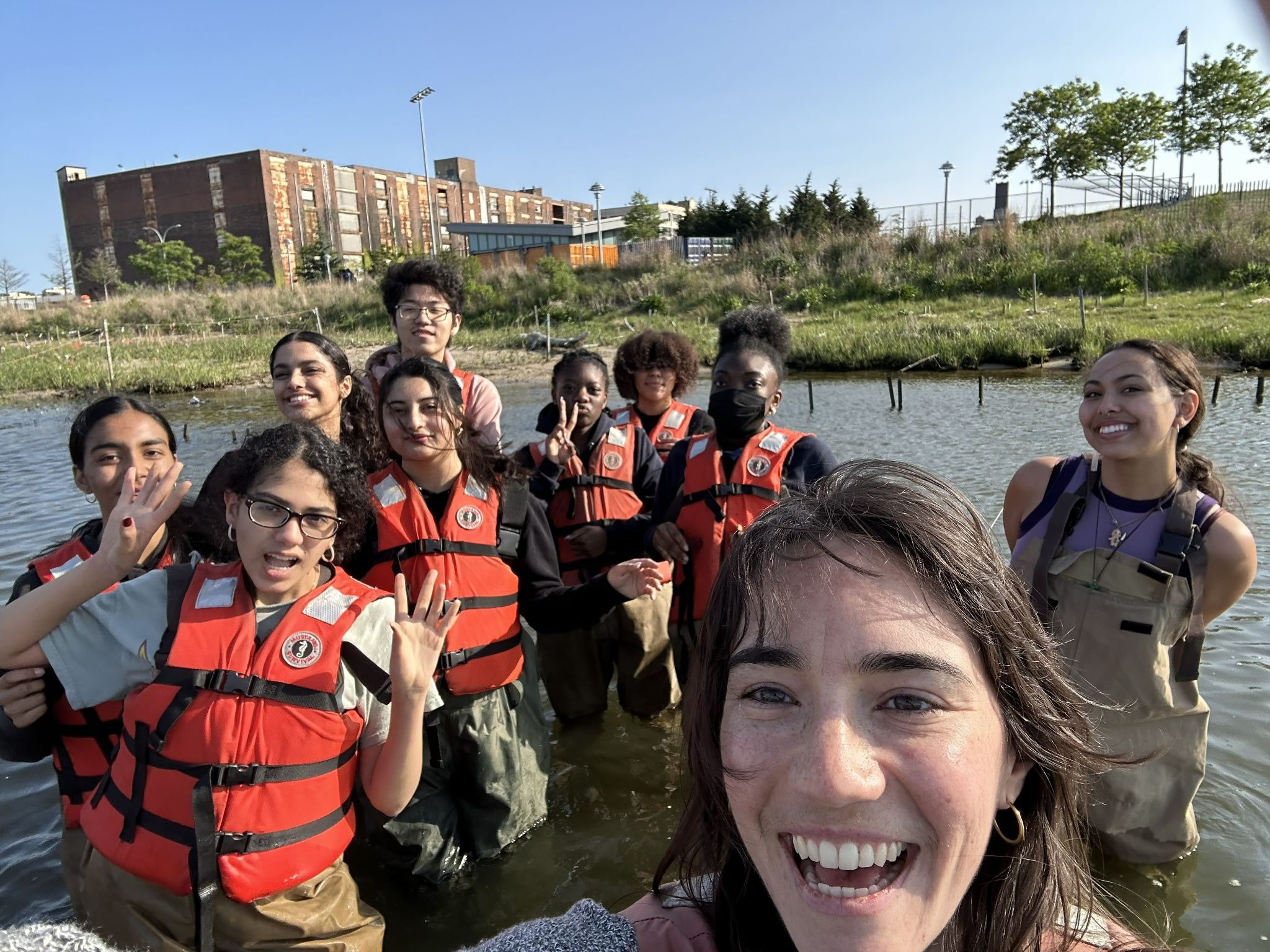
What makes Genspace so special is the community's commitment to supporting one another while This is a supportive space to test and learn and sometimes fail. As Casey says, "You spend all of graduate school messing up, and then you get a PhD at the end if you mess up well enough."
Growing the Team Without Growing the Admin
In late 2023, Genspace won a contract from the New York City Economic Development Corporation for Break into Biotech, its adult workforce training program, and effectively doubled the organization's budget within months. The program provides access to hands-on training, networking, mentorship, and career development opportunities necessary to break into New York City’s rapidly growing biotechnology sector. Due to this expansion, hiring more instructors, contractors, and interns became crucial.
"We’re going to need Justworks to be the infrastructure to make sure that our team continues to feel good to work on as we grow. Growth isn't linear, but it's essential that working here feels organized and professional.”
Justworks became the platform that allowed Genspace to do what it does best: build community and support people. By handling payroll, benefits, and contractor management, Justworks removed the administrative friction that might have slowed Genspace's growth. More importantly, it enabled Casey and her team to invest in what matters: competitive compensation, professional working conditions, and creating a workplace where people feel cared for.
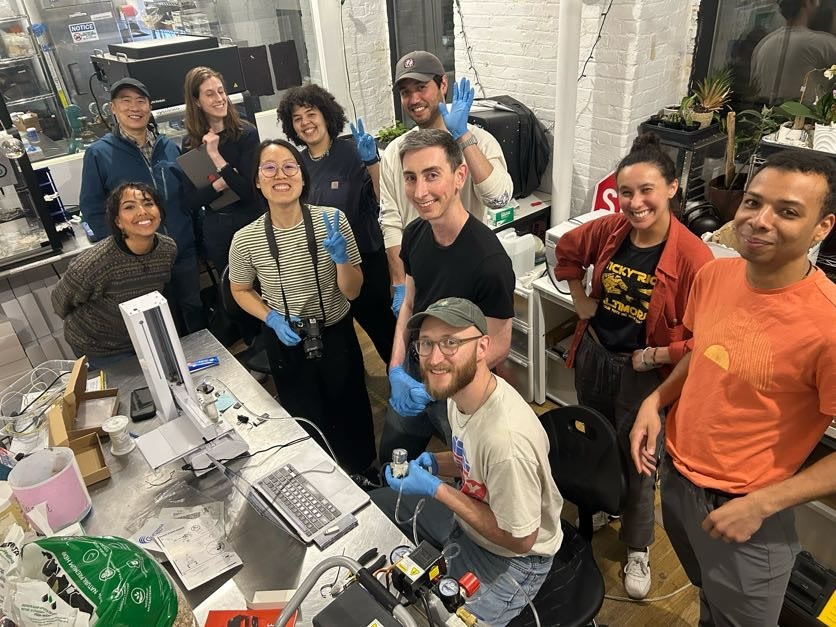
Genspace and Justworks share a similar philosophy. Just as Genspace is civic infrastructure for science, a place where anyone can pick up the tools of scientific inquiry, Justworks is infrastructure for growing small businesses. Both were built on the belief that essential systems and human support create the conditions where people can grow with confidence.
Growing Bigger With Room For All
Genspace is wrapping up a strategic planning process built on three pillars: building inclusive pathways into biotech careers, supporting community-led research and creative ventures, and continuing to operate excellent public biotechnology infrastructure by optimizing the member experience and relaunching its classes and workshops. The team is also exploring an AI-enabled digital learning platform for beginners in community biology settings anywhere.
With so much evolution, what isn't changing is the core ethos of the lab: a welcoming and inclusive space where everyone regardless of age, education, or background can dive deep into the world of science.
Learn more with Justworks’ Resources
Scale your business and build your team — no matter which way it grows. Access the tools, perks, and resources to help you stay compliant and grow in all 50 states.